For decades, the battery has been the silent bottleneck of technological progress. Our devices have become exponentially faster, our screens sharper, and our networks instantaneously connected, yet we remain tethered to the wall, slaves to the slow, agonizing drip of electrons into a lithium-ion cell. The promise of a truly mobile future—electric vehicles with unlimited range, smartphones that last a week, and grid-scale energy storage—has always been shattered by the reality of slow charging times and limited lifespans.
But now, in late 2025, that bottleneck has finally been shattered. A convergence of breakthroughs in materials science, nanotechnology, and quantum computing has ushered in the era of next-generation batteries. We are no longer talking about incremental improvements—a 10% gain here, a 5% faster charge there. We are witnessing a paradigm shift. The “charge in seconds” future is no longer science fiction; it is a commercial reality that is beginning to fundamentally reshape every industry that relies on portable power.
This isn’t just about convenience; it’s about unlocking the full potential of the technologies that will define the 21st century. This article is your definitive guide to this revolution. We will journey deep into the science of these new battery chemistries, explore the titans of industry that are bringing them to market, analyze the profound implications for electric vehicles and consumer electronics, and confront the new challenges that come with managing such immense power. Prepare to unplug, because the future is fully charged—in seconds.
The Science of Speed: How We Broke the Lithium-Ion Barrier
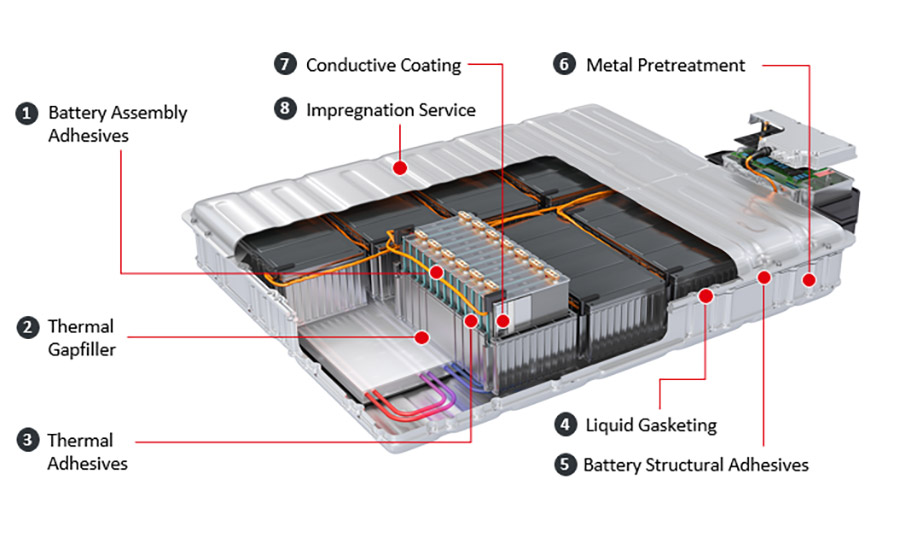
The traditional lithium-ion (Li-ion) battery, the workhorse of the last 30 years, has reached its theoretical limits. Its fundamental mechanism—shuttling lithium ions between a graphite anode and a metal oxide cathode through a liquid electrolyte—is inherently slow and prone to degradation, heat, and even fire when pushed too hard.
The new generation of batteries bypasses these limitations through several revolutionary approaches. The key to charging in seconds is radically reducing the internal resistance and increasing the speed at which ions can move within the battery.
A. Solid-State Batteries (SSBs): The New Gold Standard
Solid-state batteries have long been the holy grail, and they are finally here. They replace the flammable liquid electrolyte of a Li-ion battery with a solid material—often a ceramic, glass, or polymer.
The Speed Mechanism: In a solid electrolyte, lithium ions can move much faster and in a more direct path than in a liquid, which is full of obstacles at the molecular level. This is akin to replacing a winding, traffic-filled country road with a multi-lane superhighway.
The Anode Revolution: Solid-state designs allow for the use of a lithium-metal anode instead of graphite. Pure lithium metal has a vastly higher energy density, meaning it can store more energy in a smaller space. More importantly, it can accept and release ions at incredible speeds without the risk of forming dendrites—tiny metallic spikes that grow inside liquid batteries and cause short circuits (and fires).
The Result: A battery that is smaller, lighter, safer, and can be charged from 0% to 80% in under 5 minutes, with some advanced prototypes achieving a full charge in under 60 seconds for smaller devices.
B. Graphene & Nanomaterial Batteries: The Superconductors
Graphene, a single layer of carbon atoms arranged in a hexagonal lattice, is a wonder material. It is one of the strongest materials known to science and an incredibly efficient conductor of both electricity and heat.
The Speed Mechanism: By integrating graphene and other advanced nanomaterials (like silicon nanowires) into the battery’s electrodes, engineers can create a vastly larger surface area for the ions to interact with. Imagine a sponge with billions of microscopic pores versus a solid block; the sponge can absorb water much faster. The nanomaterial structure acts like a super-sponge for ions.
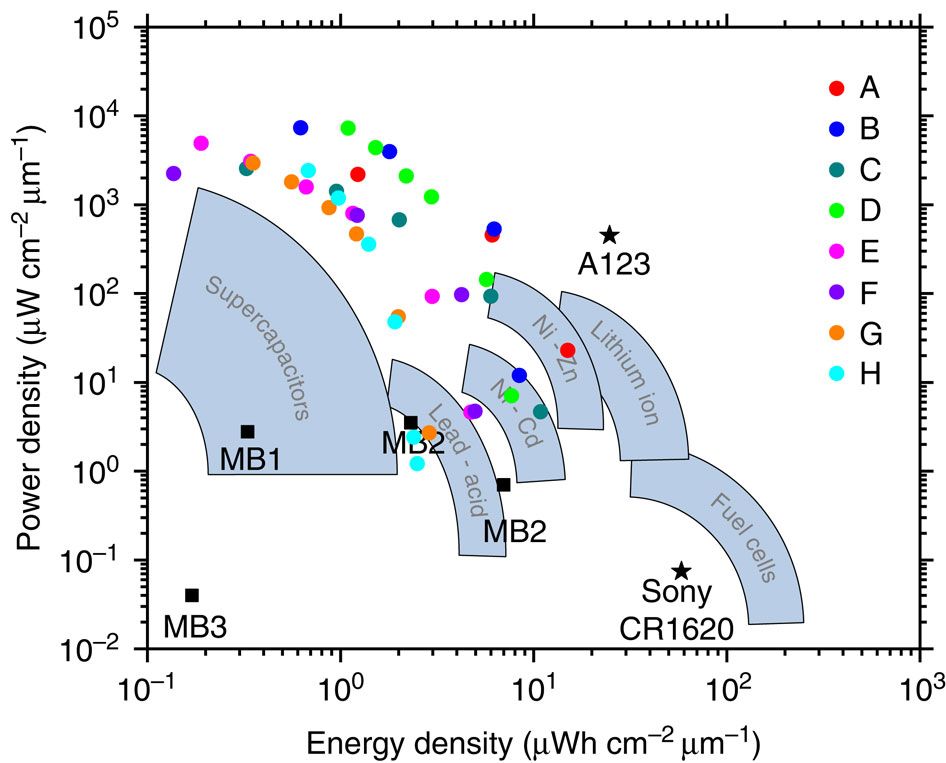
The Supercapacitor Hybrid: Some designs blur the line between a battery and a supercapacitor. A supercapacitor stores energy electrostatically (like static shock) rather than chemically, allowing for near-instantaneous charging and discharging but with low energy storage. By creating a hybrid, engineers get the best of both worlds: the rapid charge/discharge of a supercapacitor with the energy density approaching that of a battery.
The Result: Batteries with exceptionally long lifecycles (tens of thousands of charges), high power output, and charging times measured in seconds for consumer electronics.
C. Alternative Chemistries: Beyond Lithium
The world is also looking beyond lithium, which is a finite resource with complex geopolitical supply chains.
Sodium-Ion (Na-ion) Batteries: Sodium is abundant, cheap, and environmentally friendly (it can be extracted from seawater). While early sodium-ion batteries had lower energy density, recent breakthroughs using new cathode materials have closed the gap. Their larger ionic size allows for faster intercalation (the process of ions entering the electrode), making them excellent candidates for ultra-fast charging, especially in grid storage and lower-cost EVs.
Aluminum-Ion & Magnesium-Ion: These multivalent ion batteries (moving two or three electrons per ion instead of one) offer the theoretical potential for much higher energy densities. While still in the early commercialization stage, they hold immense promise for the next wave of ultra-high-capacity, fast-charging cells.
The Titans of the Revolution: Who Is Leading the Charge?

This is not a niche academic pursuit; it is a multi-trillion-dollar race involving the world’s largest corporations and most agile startups.
The Automotive Giants: Toyota, the pioneer of hybrid technology, has staked its future on solid-state batteries, with plans to launch the first mass-market EV powered by its proprietary SSB technology in 2026. Volkswagen, Ford, and General Motors have poured billions into partnerships with battery startups to secure their own supply of next-gen cells.
The Tech Behemoths: Samsung SDI and LG Energy Solution are leveraging their massive manufacturing expertise to scale up production of both advanced Li-ion and early solid-state batteries for smartphones and laptops. Apple is rumored to be developing its own custom battery technology to differentiate its future devices.
The Disruptive Startups: This is where the most radical innovation is happening.
QuantumScape (USA): Backed by Volkswagen and Bill Gates, they have developed a proprietary ceramic separator that solves many of the key challenges of solid-state batteries, demonstrating exceptional performance data.
Solid Power (USA): Partnered with BMW and Ford, they are focused on a sulfide-based solid electrolyte that can be manufactured using existing Li-ion production lines, promising a faster path to mass market.
StoreDot (Israel): A pioneer in extreme fast charging (XFC) using silicon-dominant anodes, they have already demonstrated EV batteries that can charge in 5-10 minutes and are moving towards even faster solutions for smaller devices.
CATL (China): The world’s largest battery manufacturer is not resting on its laurels. They are aggressively developing their own solid-state and sodium-ion solutions, leveraging their unparalleled scale to bring costs down rapidly.
The Impact: A World Unplugged
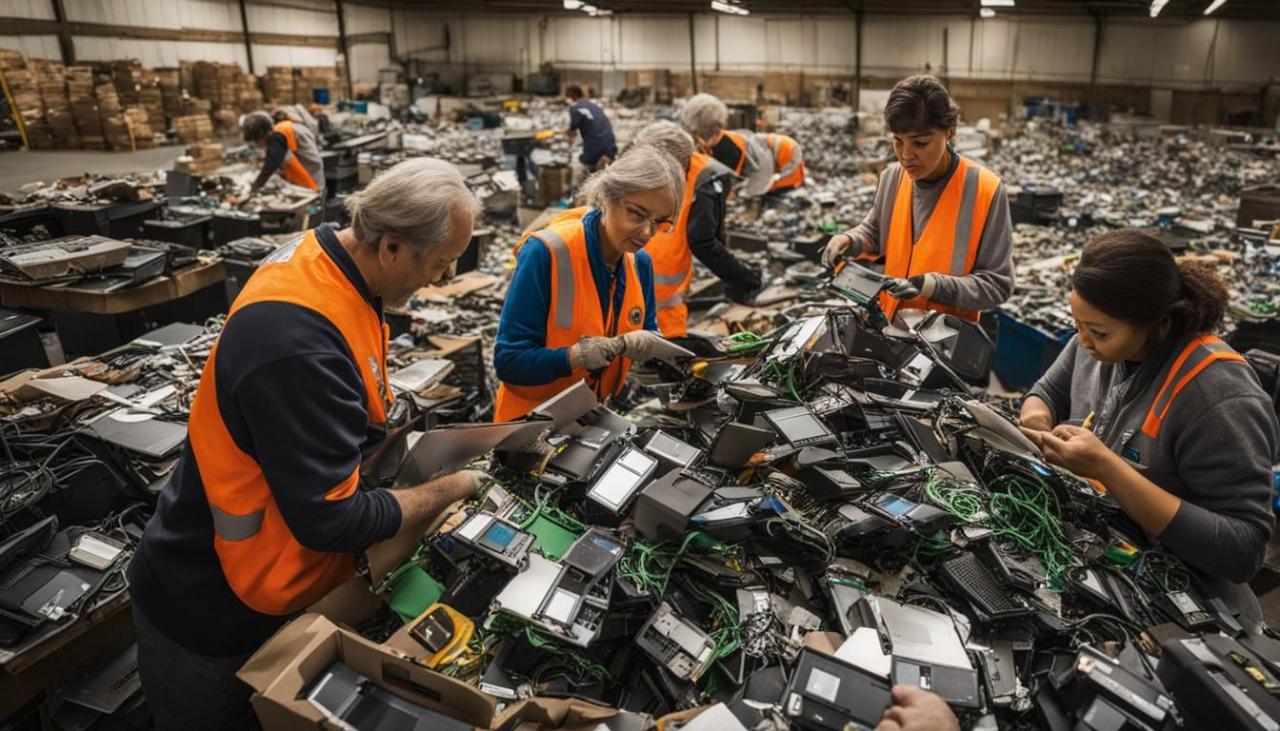
The implications of batteries that charge in seconds are profound and touch almost every aspect of modern life.
A. The Electric Vehicle (EV) Tipping Point
The single biggest barrier to EV adoption—”range anxiety” and the inconvenience of long charging stops—is evaporating.
The “Gas Station” Experience: With a 5-minute charge time, “refueling” an EV becomes functionally identical to filling a gas tank. This eliminates the need for complex trip planning and makes long-distance travel in an EV seamless.
Infrastructure Rethink: The focus shifts from building tens of thousands of slow Level 2 chargers in parking lots to building ultra-high-power (500kW-1MW+) charging hubs along major highways, mirroring the existing gas station network.
Vehicle Design: If you can add 300 miles of range in 5 minutes, you don’t need a massive, heavy 500-mile battery. Cars can become lighter, more efficient, and cheaper, with smaller battery packs that are topped up quickly as needed. This dramatically reduces the environmental cost of manufacturing each vehicle.
B. The Consumer Electronics Revolution
Our relationship with our personal devices will change fundamentally.
The End of Battery Anxiety: Forget carrying a power bank or hunting for a wall outlet at an airport. A dead phone will be a 60-second inconvenience, not a day-ruining event.
New Form Factors: If a battery doesn’t need to last all day, it can be much smaller. This opens the door for impossibly thin smartphones, powerful augmented reality (AR) glasses that look like normal eyewear, and smart clothing with integrated sensors and computing power—all freed from the bulk of large batteries.
Wearables Unleashed: Smartwatches and health monitors can become far more powerful, running continuous, advanced biometric monitoring without the need for nightly charging. A 30-second charge while you brush your teeth could power the device for days.
C. Grid Storage and Renewable Energy
The impact on the energy grid is perhaps the most consequential.
Solving Intermittency: The biggest challenge with solar and wind power is that the sun doesn’t always shine and the wind doesn’t always blow. Massive banks of ultra-fast-charging batteries can absorb huge spikes of excess renewable energy generated during the day (e.g., from solar at noon) and release it instantly when demand peaks in the evening.
Grid Stabilization: These batteries can respond in milliseconds to fluctuations in grid voltage and frequency, providing a level of stability and resilience that traditional power plants cannot match. This is crucial for a grid that is increasingly reliant on variable renewable sources.
The New Challenges: Managing the Power
With great power comes great responsibility, and the shift to ultra-fast charging is not without its own set of formidable challenges.
A. The Thermal Management Challenge: Pushing that much energy into a battery in a matter of seconds generates immense heat. If not managed perfectly, this can lead to rapid degradation of the battery or, in the worst case, a catastrophic thermal runaway (fire). Next-gen EVs and chargers require exceptionally sophisticated active cooling systems—far beyond simple fans or radiators—to keep temperatures within a safe range during a charging session.
B. The Grid Infrastructure Upgrade: A single car charging at 500kW draws as much power as an entire neighborhood block. Imagine a highway charging station with 20 cars charging simultaneously. The local power grid—transformers, substations, and transmission lines—is not built for this kind of instantaneous, massive load. A multi-trillion-dollar upgrade to the global electrical infrastructure is required to support widespread ultra-fast EV charging, involving the deployment of local microgrids and on-site buffer batteries at charging stations.
C. Battery Lifespan and degradation: While next-gen chemistries are more robust, extreme fast charging is still stressful on battery materials. The long-term impact of repeated 5-minute charges on the lifespan of a solid-state battery is still being studied in real-world conditions. Sophisticated battery management system (BMS) software, powered by AI, is essential to optimize the charging curve in real-time, balancing speed with longevity to ensure the battery lasts the life of the vehicle.
D. Economic Accessibility: Like all new technologies, next-gen batteries will initially be a premium product, found in high-end EVs and flagship smartphones. The challenge will be to rapidly scale manufacturing and achieve economies of scale to bring prices down to parity with traditional Li-ion batteries, ensuring that the benefits of this revolution are accessible to everyone, not just the wealthy.
Conclusion: The Final Tether is Cut
The arrival of batteries that charge in seconds is a historical inflection point, comparable to the shift from steam to combustion engines or landlines to mobile phones. It is the final piece of the puzzle for a truly wireless, electrified, and sustainable future.
We are moving from a world where our activities were constrained by the limitations of our power sources to a world where power is an on-demand, nearly instantaneous utility. The psychological shift from “managing charge” to “forgetting about charge” will unlock waves of innovation we can’t yet fully imagine. The constraints are gone. The future is fully charged, and it’s ready to go—in seconds.