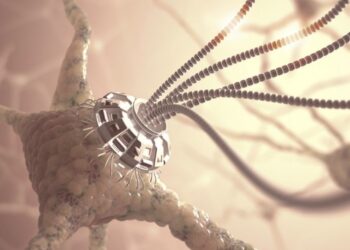
The human brain, a complex tapestry of billions of neurons, is the seat of consciousness, memory, and identity. However, this magnificent organ remains vulnerable to devastating neurodegenerative conditions, none more universally feared than Alzheimer’s Disease (AD). This progressive disorder systematically erodes memory and cognitive function, eventually robbing individuals of their ability to perform the simplest daily tasks. For decades, the therapeutic landscape for AD has been characterized by limited options, primarily focusing on managing symptoms rather than addressing the root cause.
This lack of effective, disease-modifying treatments has fueled a monumental global research effort. Now, as we navigate the mid-2020s, a tangible wave of biotechnology innovation is breaking through the barriers of conventional medicine, ushering in a transformative era that promises not just hope, but potentially the means to significantly alter the trajectory of this cruel disease.
This technological surge harnesses advanced biological tools, from refined gene editing techniques to sophisticated immunotherapies, targeting the complex pathological hallmarks of AD with unprecedented precision and efficacy.
The global biotechnology sector is keenly focused on understanding and neutralizing the core mechanisms of AD, leveraging high-throughput screening, Artificial Intelligence (AI) for drug discovery, and novel therapeutic delivery systems to overcome the historic challenges posed by the blood-brain barrier. The convergence of these fields suggests that the long-awaited breakthrough in treating, and perhaps even preventing, Alzheimer’s is not merely a distant aspiration but a rapidly approaching reality.
Decoding the Pathological Landscape of Alzheimer’s
To truly appreciate the potential of current biotech interventions, one must first grasp the complex and multifaceted pathology of Alzheimer’s Disease. AD is characterized by two primary, insidious protein deposits within the brain: amyloid-beta plaques and neurofibrillary tangles composed of hyperphosphorylated tau protein.
The prevailing Amyloid Hypothesis suggests that the buildup of amyloid-beta, specifically the toxic soluble oligomers, initiates a cascade of events leading to synaptic dysfunction and neuronal death. Concurrently, the misfolding and aggregation of tau protein destabilizes the microtubules within neurons, disrupting cellular transport and accelerating the process of neurodegeneration.
Understanding these two key players is foundational to developing effective treatments, but modern research emphasizes that AD is also an inflammatory disease. Chronic neuroinflammation, mediated by activated microglia and astrocytes, contributes significantly to the destruction of brain tissue, creating a vicious cycle of damage and protein aggregation.
Furthermore, recent studies highlight the roles of genetic predisposition, specifically mutations in genes like APOE, and metabolic dysfunction, suggesting that AD is far more complex than a simple proteinopathy.
I. The Immunotherapy Frontier: Targeting Amyloid and Tau
The most visible and heavily funded area of biotech development against AD involves immunotherapy. This approach leverages the body’s own immune system to clear the toxic proteins associated with the disease. Monoclonal antibodies, lab-produced proteins designed to target specific antigens, represent the pinnacle of this strategy.
A. Anti-Amyloid Antibodies: The Clearance Strategy
This class of therapeutics aims directly at the sticky amyloid-beta protein, attempting to either prevent its formation or accelerate its clearance from the brain. The development pipeline in this area has matured considerably, moving from non-selective agents to highly specific antibodies.
Passive Immunization: This involves the direct administration of pre-formed antibodies into the patient. The idea is that these antibodies will bind to the amyloid plaques or oligomers, flagging them for destruction and removal by the brain’s microglial cells. Recent clinical successes have shown that these agents can indeed reduce amyloid burden, opening the door for new regulatory approvals and treatments.
Targeting Oligomers: Increasingly, the focus is shifting away from large, insoluble plaques toward the smaller, highly neurotoxic amyloid-beta oligomers. These soluble forms are believed to be the primary drivers of synaptic damage and cognitive decline. New antibodies are being engineered with high affinity specifically for these oligomeric species, aiming to neutralize the toxicity before major structural damage occurs.
Blood-Brain Barrier Challenges: A persistent hurdle for antibody therapy is their limited ability to cross the blood-brain barrier (BBB), a highly selective membrane that protects the central nervous system. Biotech firms are innovating with strategies such as “shuttle” technology, which uses receptor-mediated transcytosis to actively transport the therapeutic antibodies across the BBB, potentially increasing the effective dose in the brain significantly.
B. Anti-Tau Approaches: Stabilizing the Neuron’s Structure
While anti-amyloid therapies have dominated headlines, a strong consensus is growing that targeting the tau protein is equally critical, especially in later stages of the disease when tangles are abundant. Tau pathology correlates more closely with cognitive decline than amyloid plaques do.
Preventing Aggregation: Some therapeutic candidates are small molecules designed to interfere with tau’s hyperphosphorylation and subsequent aggregation into neurofibrillary tangles. By keeping tau in its healthy, soluble form, these drugs aim to maintain the structural integrity of the neuron’s cytoskeleton.
Tau Immunotherapy: Similar to the amyloid strategy, vaccines and monoclonal antibodies are being developed to target misfolded and extracellular forms of tau. These therapies attempt to prevent the “prion-like” spread of tau pathology from one neuron to the next, effectively containing the disease’s progression throughout the brain.
Microtubule Stabilizers: Another distinct approach involves drugs that stabilize the microtubules themselves, the cellular highways that tau normally supports. By providing external support, these small molecules aim to protect the cell’s transport system from the damaging effects of misfolded tau.
II. Cutting-Edge Technologies: AI, Gene Therapy, and Cell Replacement
Beyond traditional drug discovery, the integration of advanced technologies like AI and genetics is fundamentally reshaping the AD research landscape. These tools offer the ability to analyze vast biological datasets and execute high-precision biological manipulations.
A. Artificial Intelligence in Drug Discovery and Biomarker Identification
The sheer volume of biological and clinical data related to AD is overwhelming for human researchers. Artificial Intelligence (AI) and Machine Learning (ML) are now indispensable tools for making sense of this complexity.
Accelerated Target Identification: AI algorithms can rapidly sift through millions of chemical compounds and protein structures, identifying potential drug candidates that might take human researchers years to uncover. This significantly cuts down the time and cost associated with the early stages of drug development.
Repurposing Existing Drugs: ML models are being trained to predict whether an existing drug, already approved for another condition, might also be effective against AD based on its molecular signature and known mechanisms of action. This is a fast-track strategy for therapeutic development.
Advanced Diagnostics: AI is proving crucial in analyzing neuroimaging data (MRI, PET scans) and genetic profiles to identify highly sensitive and specific biomarkers for AD long before clinical symptoms appear. Early, accurate diagnosis is vital for the success of future disease-modifying therapies.
B. Gene Therapy and Gene Editing (CRISPR)
Gene-based approaches offer the possibility of a one-time treatment that could stop or slow AD progression by correcting genetic defects or increasing the production of protective proteins.
Introducing Neurotrophic Factors: Gene therapies use harmless viral vectors (like AAV) to deliver genes that encode for neurotrophic factors (proteins that support the survival, development, and function of neurons) into the brain. The goal is to fortify existing neurons against the disease’s destructive processes.
CRISPR-Cas9 for Risk Management: CRISPR technology holds immense promise for correcting genes associated with increased AD risk, such as the APOE4 allele. While still in preclinical stages, the ultimate vision is to use this editing tool to neutralize the genetic predisposition in individuals at high risk.
Modulating Enzyme Activity: Gene delivery systems are also being engineered to regulate the production of enzymes, such as BACE1 (Beta-secretase 1), which is responsible for cleaving the amyloid precursor protein (APP) into amyloid-beta. Lowering BACE1 activity genetically could reduce the formation of amyloid-beta.
C. Stem Cell and Regenerative Medicine
The most ambitious biotech approach is the use of stem cells and regenerative medicine to repair or replace the neurons that AD has destroyed.
Replacing Lost Cells: Induced Pluripotent Stem Cells (iPSCs) can be differentiated into mature, healthy neurons. The potential future therapy involves transplanting these lab-grown neurons into the damaged areas of the patient’s brain to restore functional neural circuits.
Delivery of Supportive Cells: Stem cells can also be utilized to deliver therapeutic molecules. For example, modified stem cells could be transplanted to serve as miniature “drug factories” within the brain, continuously secreting anti-inflammatory agents or neurotrophic factors.
Modeling the Disease: Crucially, iPSCs derived from AD patients are used to create “mini-brains” or organoidsin a dish. These 3D models allow researchers to study AD pathology, test drug efficacy, and understand individual patient responses in a highly accurate in vitro environment.
III. Emerging and Adjunctive Strategies

The biotech pipeline is vast, including several other innovative approaches that address different aspects of AD pathology and progression.
A. Addressing Neuroinflammation
Neuroinflammation is a major contributor to AD pathology, making it a viable therapeutic target.
Targeting Microglia: New small molecules and antibodies are being developed to modulate the activity of microglia, the brain’s resident immune cells. The goal is to reprogram the microglia from a destructive, inflammatory state to a protective, plaque-clearing state.
Inhibiting Inflammatory Pathways: Drugs designed to inhibit key inflammatory pathways, such as those involving the NLRP3 inflammasome, show promise in reducing the chronic, detrimental inflammation seen in the AD brain.
B. Synaptic Health and Cognitive Enhancement
Even as researchers pursue disease-modifying treatments, there remains a critical need for therapies that can boost existing cognitive function and repair damaged synapses.
Synaptogenesis Promoters: Biotech efforts are focused on developing compounds that directly promote synaptogenesis (the formation of new synapses) and strengthen existing neural connections, aiming to restore cognitive function lost early in the disease.
Mitochondrial Protection: Dysfunction of mitochondria, the cell’s powerhouses, is a prominent feature of AD neurons. New agents are being investigated to enhance mitochondrial health and energy production, potentially protecting neurons from metabolic stress and death.
Conclusion: A Future Forged in Biotech Innovation

The journey to an effective treatment for Alzheimer’s Disease has been long and fraught with setbacks, yet the current wave of biotechnology innovation has undeniably ignited a profound sense of optimism. This is a pivotal moment in medical history, where decades of foundational biological research are finally translating into tangible therapeutic candidates.
The shift from symptom management to truly disease-modifying interventions is now underway, driven by sophisticated tools like targeted immunotherapy and high-precision genetic engineering. Clinical trials are testing agents that promise to not only slow the relentless march of cognitive decline but potentially even halt it in its earliest stages.
This multifaceted approach, which includes clearing toxic proteins, correcting underlying genetic risks, and utilizing AI to accelerate discovery, acknowledges the complex nature of AD. Furthermore, the increasing focus on early and accurate diagnosis, utilizing advanced imaging and fluid biomarkers, ensures that these groundbreaking therapies can be administered when they have the highest chance of success.
The collaborative energy of academic institutions, pharmaceutical giants, and nimble biotech startups is creating an unparalleled force directed against this devastating illness. The future for those facing Alzheimer’s Disease, once shadowed by resignation, is now illuminated by the powerful, relentless pursuit of biological innovation.